How to Choose a Pet Groomer
What a professional visit includes, and how to compare salons before you book
Quick Answer
Choose a groomer by the pet they are used to handling, not by the lowest price. Ask which services are included, how they manage anxious animals, and what happens if they find a skin or ear problem. Coat type, size, and whether the pet is matted change both the time and the fee.
What a standard visit covers
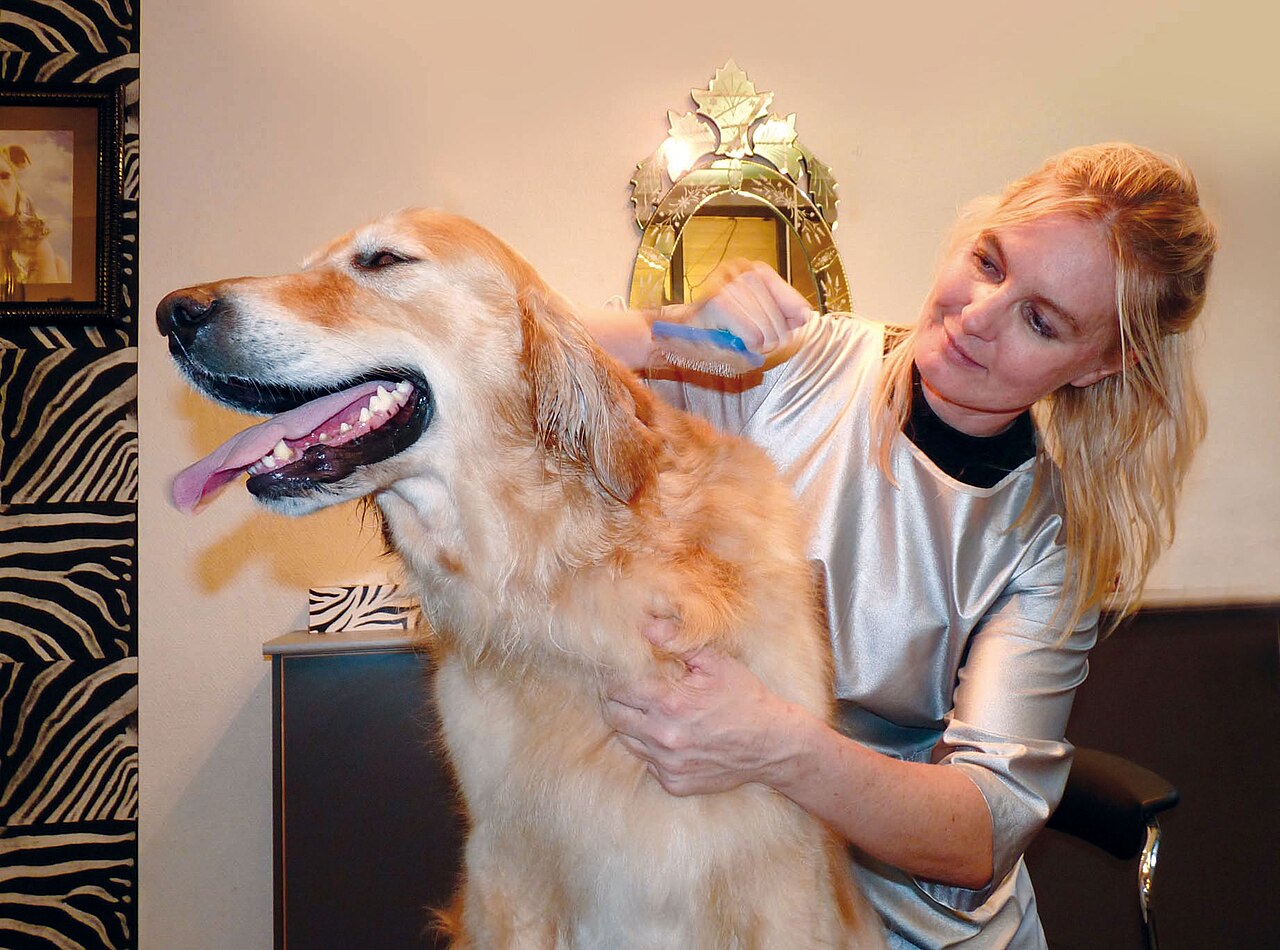
A bath-and-brush visit usually includes a wash with a coat-appropriate shampoo, drying, brushing, nail trimming, and a check of the ears. A full groom adds a haircut shaped to the breed or to the length you request. Ear cleaning and a sanitary trim are common add-ons. Teeth brushing is offered by some salons, but it is not a substitute for home dental care or a veterinary dental exam.
Cats are often groomed by a smaller set of salons. Short-haired cats may only need a bath if the coat is greasy or the cat cannot groom itself. Long-haired cats need regular brushing, and many do better with a groomer who books cats separately from dogs.
Tell the salon about skin disease, seizures, arthritis, recent surgery, and any handling the pet will not tolerate. A careful groomer will stop and call you rather than force a service that is stressing the animal.
How to compare salons
Read recent comments for the same kind of pet you have. A salon praised for doodle haircuts may not be the right fit for a senior cat. Look for notes about communication, late pickups, and how staff handled a pet that was nervous. A single glowing review is less useful than a pattern across many visits.
Ask four questions before the first appointment: which breeds or coat types they groom most often, whether a veterinarian is nearby if something goes wrong, how they restrain a pet that panics, and whether you can see the grooming area. Clean floors, sharp tools stored properly, and staff who can describe their process are better signals than a decorated lobby.
Book a shorter first visit, such as a bath and nail trim, before committing to a full haircut. That visit shows you how your pet is handled and how the salon reports what they found, including mats, fleas, or irritated skin.
What changes the price
In most U.S. cities, a bath and brush for a small dog costs less than a full haircut on a large or double-coated dog. Heavily matted coats take longer and are often priced as a separate service because removing mats can require shaving. Mobile grooming, where the groomer comes to your home in a van, usually costs more than a salon visit because you are paying for travel and a one-to-one appointment.
Price also moves with the local market. Large coastal cities are often higher than smaller cities for the same haircut. Ask for the full fee before you drop the pet off, including dematting, anal gland expression, and flea treatments, so the pickup total is not a surprise.
Between salon visits, brush the coat, keep nails from curling into the paw, and check ears weekly. Pets that arrive brushed and used to handling need shorter appointments and are less likely to be shaved down because of mats.
Frequently Asked Questions
How often does a dog need a professional groom?
Most dogs with hair that grows continuously, such as poodles and doodles, need a full groom every 4 to 8 weeks. Short coats can often go 8 to 12 weeks between baths if they are brushed at home. Nails usually need attention every 4 to 6 weeks regardless of coat.
Should I tip a pet groomer?
Tipping is customary in many U.S. salons when the service went well, often in the range of 15 to 20 percent, but it is not required. Ask the salon whether tips go to the groomer who did the work.
What if my dog is afraid of the salon?
Start with a short visit for nails or a bath, and tell the salon about the fear before you arrive. Some groomers offer a quiet first appointment or a mobile visit so the dog is not in a busy lobby. Do not punish fearful behavior. If the dog panics, a veterinarian or a trainer who works on handling can help you build tolerance before a full groom.
Can a groomer diagnose a skin problem?
A groomer can point out redness, lumps, fleas, or a bad smell and should tell you to see a veterinarian. They should not prescribe medication or tell you the problem is harmless. Skin and ear disease needs a veterinary exam.
Sources
AKC - Questions to ask potential groomers
https://www.akc.org/expert-advice/health/questions-ask-potential-groomers/
ASPCA - General dog care
https://www.aspca.org/pet-care/dog-care/general-dog-care
AAHA - Dental care guidelines for dogs and cats
https://www.aaha.org/resources/2019-aaha-dental-care-guidelines-for-dogs-and-cats/