Find Your Dog's Passion: Dog Sports and Activities for Every Dog
Channel your dog's energy into fun, fulfilling activities
Quick Answer
Dogs love having a job or activity. Whether it's fetch, agility, scent work, dock diving, or simple walks, engaging your dog's mind and body prevents boredom and behavioral problems. Different activities suit different breeds—high-energy dogs need challenging activities, while older dogs might prefer gentle nose work.
Low-Energy Activities for All Dogs
Not every dog needs intense sports. Casual walks, sniffing games, and gentle play satisfy many dogs. Scent work is excellent for all breeds—hide treats around the house and let your dog search. This engages their brain without physical strain. It's particularly good for older dogs and dogs with joint issues.
Puzzle toys and food games provide mental stimulation. Hide a tennis ball in a blanket for them to find. Use muffin tins with covers over each cup with a treat in some. These games keep dogs entertained and engaged without requiring athletic ability.
Casual fetch, tug-of-war, and games in the yard provide exercise and bonding. The key is consistency—daily activity, even low-intensity activity, prevents behavioral problems. A 30-minute walk is often enough for low-energy dogs.
High-Energy Activities for Active Dogs
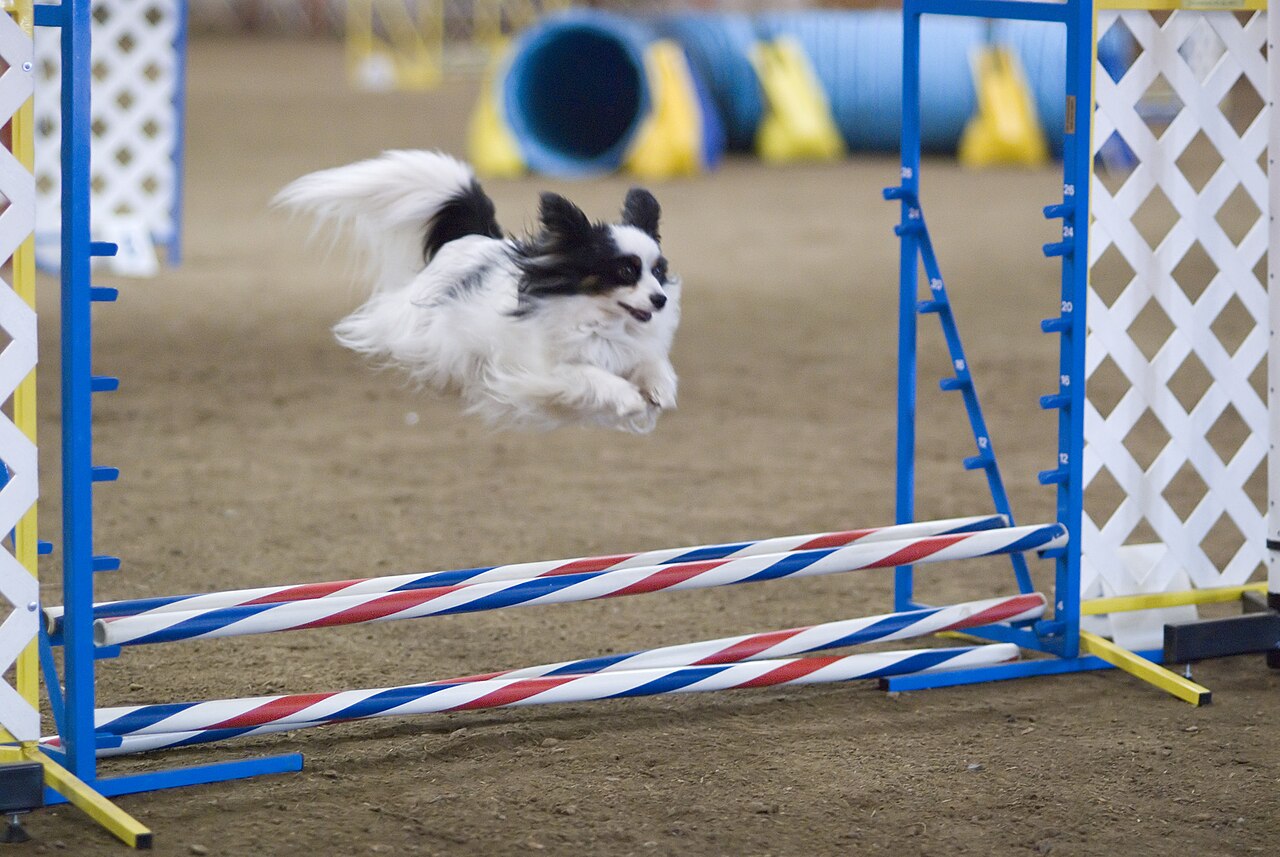
High-energy breeds need real outlets for their energy. Agility training involves navigating obstacles (jumps, tunnels, weaves). It's excellent for Border Collies, Australian Shepherds, and similar breeds. Agility provides physical exercise and mental stimulation. Dock diving (jumping into water for distance or height) is perfect for water-loving breeds like Labs and Golden Retrievers.
Herding trials allow herding breeds to do what they were bred for—controlling livestock. It's intensely satisfying for these dogs. Lure coursing mimics hunting and is perfect for sight hounds. Coursing events have dogs chase a mechanical lure across a field. It's thrilling for these breeds.
Flyball and other fast-paced games satisfy high-prey-drive dogs. Flyball is a relay race where dogs jump hurdles and catch balls. It's chaotic and fun. All these activities require significant owner commitment but provide tremendous satisfaction for dogs built for these tasks.
Dog Sports and Competitions
Competitive dog sports provide structured outlets for energy and training. Obedience trials test precision and control. Rally obedience is similar but more forgiving and fun. Canine freestyle (dancing with your dog) combines obedience with music and movement—it's surprisingly popular.
Nosework competitions formalize scent detection. Dogs search for hidden scent sources and indicate where they found them. It's satisfying for dogs and owners. Tracking trials have dogs follow a scent trail over distance. It's particularly satisfying for scent-oriented breeds.
Most sports have different levels—novice, intermediate, advanced. You don't have to be competitive to participate. Many people do sports just for fun and bonding. These activities provide goals to work toward, structured practice, and community with other dog enthusiasts.
Frequently Asked Questions
What sport is best for my dog?
It depends on breed, age, and your dog's interests. Energetic dogs need vigorous sports. Older dogs prefer gentle activities. Watch your dog play—they often show preferences. A dog who loves to jump might enjoy agility. A dog who loves water might love dock diving.
Can any dog do agility?
Most dogs can do agility, but large and giant breeds should wait until fully grown (18+ months) to protect joints. Older dogs and dogs with joint issues shouldn't do jumping-intensive activities. Adaptations exist for dogs with limitations.
Do I need special facilities for dog sports?
Many communities have dog sports clubs. Classes teach basic skills using club facilities. You don't need your own agility course or dock diving pool. Find local clubs and try different activities before investing in equipment.
How do I know if my dog enjoys an activity?
Dogs enjoying an activity show enthusiasm—eagerness to participate, happy body language, willingness to repeat. If your dog dreads the activity, forcing it damages your relationship. Try different things and follow your dog's interests.