Foods and Household Items That Are Toxic to Dogs
Common poisons in the kitchen, medicine cabinet, and garage, and what to do if your dog eats one
Quick Answer
Common dangers include chocolate, xylitol (a sweetener in sugar-free gum and some peanut butters), grapes and raisins, onions and garlic, macadamia nuts, alcohol, human pain medications, rat and mouse poison, and antifreeze. If your dog eats something toxic, call your veterinarian, an emergency clinic, or an animal poison control line right away, even if the dog seems fine. Do not make the dog vomit unless a veterinarian tells you to.
Foods that are dangerous
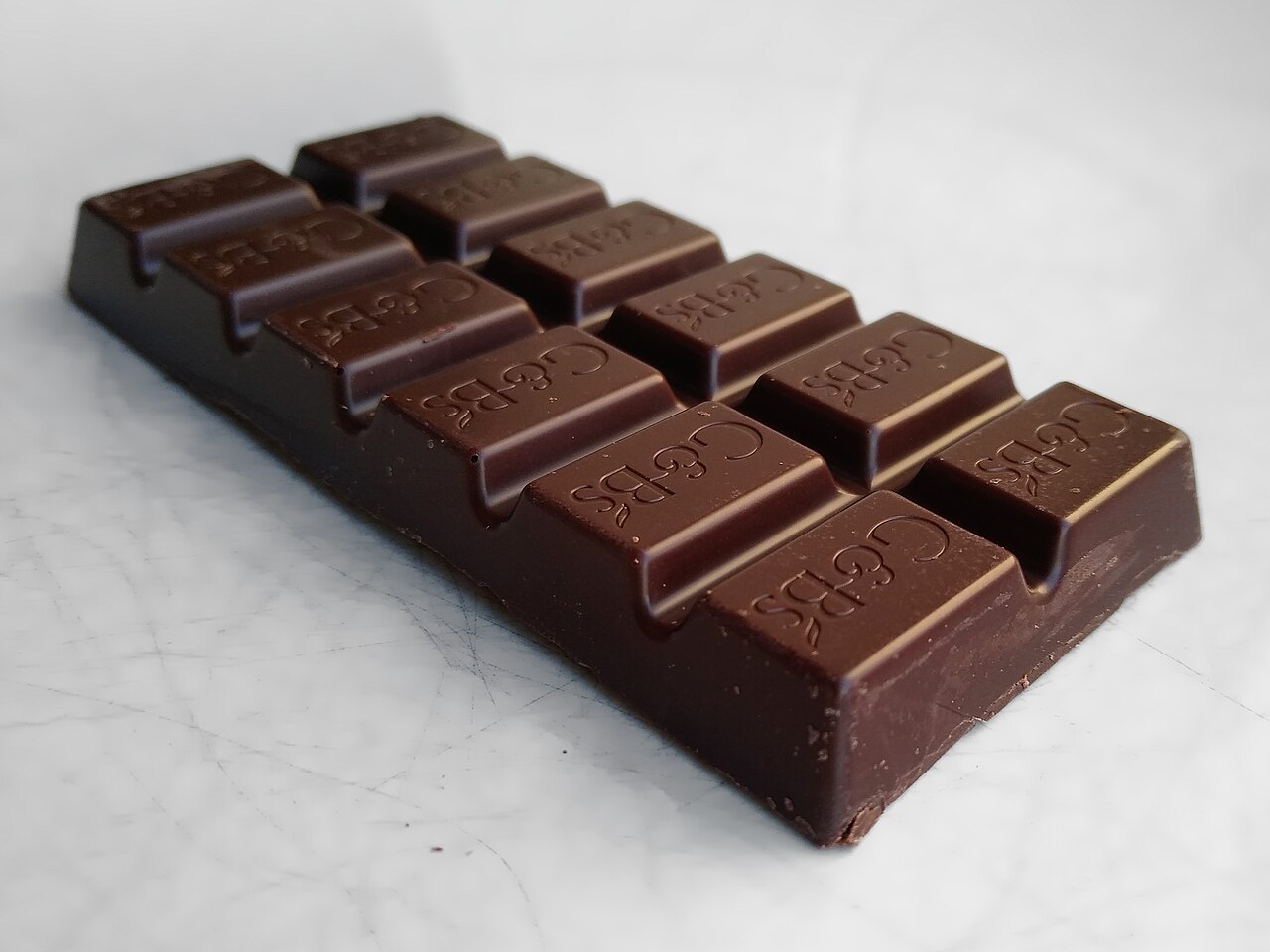
Chocolate contains theobromine and caffeine. Dark chocolate and baking cocoa are much more dangerous than milk chocolate, and white chocolate contains very little. Signs include vomiting, restlessness, a racing heart, tremors, and seizures. The risk depends on the type, the amount, and the dog's weight, so call for advice with the wrapper in hand.
Xylitol, also listed as birch sugar, is a sweetener in sugar-free gum, mints, some peanut and nut butters, baked goods, and toothpaste. In dogs it causes a sudden drop in blood sugar and can cause liver failure, sometimes from a small amount. Grapes, raisins, currants, and sultanas can cause kidney failure in some dogs, and there is no known safe amount.
Onions, garlic, leeks, and chives, raw, cooked, or powdered, damage red blood cells. Macadamia nuts cause weakness and tremors. Alcohol, raw yeast dough, caffeine, and very fatty foods such as trimmings and bacon, which can trigger pancreatitis, are also risks. Cooked bones can splinter and block or tear the gut.
Medications, plants, and household products
Human medications are one of the most common causes of pet poisoning. Ibuprofen, naproxen, and acetaminophen can cause stomach ulcers, kidney failure, or liver damage in dogs. ADHD medications, antidepressants, sleep aids, and heart medications are dangerous too. Keep pill boxes and bags out of reach, and never give a human medication without veterinary advice.
Rat and mouse poisons come in several types. Some stop blood from clotting, others cause brain swelling or kidney failure, and treatment depends on the type, so keep the packaging. Antifreeze containing ethylene glycol tastes sweet and causes kidney failure; even small amounts are an emergency. Slug and snail baits containing metaldehyde cause severe tremors.
Plants such as sago palm (very toxic to the liver), oleander, azaleas, and lily of the valley are dangerous to dogs. Lilies of the Lilium and Hemerocallis types are deadly to cats but less dangerous to dogs. Cannabis products, including edibles, are a growing cause of poisoning calls.
What to do if your dog eats something toxic
Act right away. Many poisons have no signs for hours, and treatment works best before symptoms start. Call your veterinarian or the nearest emergency clinic. In the United States you can also call the ASPCA Animal Poison Control Center at (888) 426-4435 or the Pet Poison Helpline at (855) 764-7661; both are staffed around the clock and charge a consultation fee.
Have ready the product name and packaging, how much the dog may have eaten, when it happened, and your dog's weight. Do not try to make your dog vomit with salt, hydrogen peroxide, or other home remedies unless a veterinarian tells you to. Some substances do more damage coming back up, and salt itself can poison a dog.
Watch for vomiting, diarrhea, drooling, wobbliness, tremors, seizures, collapse, pale gums, or unusual behavior. Any of these after a possible exposure means going to a veterinarian immediately.
Frequently Asked Questions
My dog ate a small piece of milk chocolate. Is that an emergency?
Often a very small amount of milk chocolate in a medium or large dog causes mild stomach upset or nothing at all, but dark chocolate and small dogs are a different story. Call your veterinarian or a poison control line with the type, the amount, and your dog's weight.
Is peanut butter safe for dogs?
Plain peanut butter is fine in small amounts. Check the label for xylitol or birch sugar first, which some brands now use.
Are any human foods safe as treats?
Many are, in small amounts: plain cooked chicken, carrots, green beans, cucumber, apple slices without seeds, and plain pumpkin. Count them toward the 10 percent treat allowance.
How do I dog-proof my home?
Store medicines, gum, and chemicals in closed cupboards, use a lidded trash can, keep bags off the floor, check plants before buying them, and put rodent baits only where the dog cannot reach them.
Sources
ASPCA - People foods to avoid feeding your pets
https://www.aspca.org/pet-care/aspca-poison-control/people-foods-avoid-feeding-your-pets
ASPCA Animal Poison Control Center
https://www.aspca.org/pet-care/animal-poison-control
Pet Poison Helpline - Is chocolate poisonous to dogs?
https://www.petpoisonhelpline.com/pet-safety-tips/is-chocolate-poisonous-to-dogs/
FDA - Paws off xylitol; it's dangerous for dogs
https://www.fda.gov/consumers/consumer-updates/paws-xylitol-its-dangerous-dogs