Loose Leash Walking: How to Stop a Dog From Pulling
Equipment that helps, a reward-based method, and how to practice around distractions
Quick Answer
Dogs pull because pulling gets them where they want to go. Reward the dog often for being next to you, stop moving when the leash goes tight, and start again when it loosens. A well-fitted front-clip harness reduces pulling while you train. Practice in quiet places first and add distractions slowly. Avoid equipment that works by causing pain, such as choke or prong collars.
Why dogs pull
Dogs naturally walk faster than people, and the world outside is full of smells and sights they want to reach. Every time a dog pulls and gets to move forward, pulling is rewarded. Over months, that becomes a strong habit.
Some pulling has other causes. Fearful dogs may pull to get home or away from a trigger, and dogs without enough exercise or mental activity may pull simply because the walk is their only outlet. Address those first, or training will be an uphill battle.
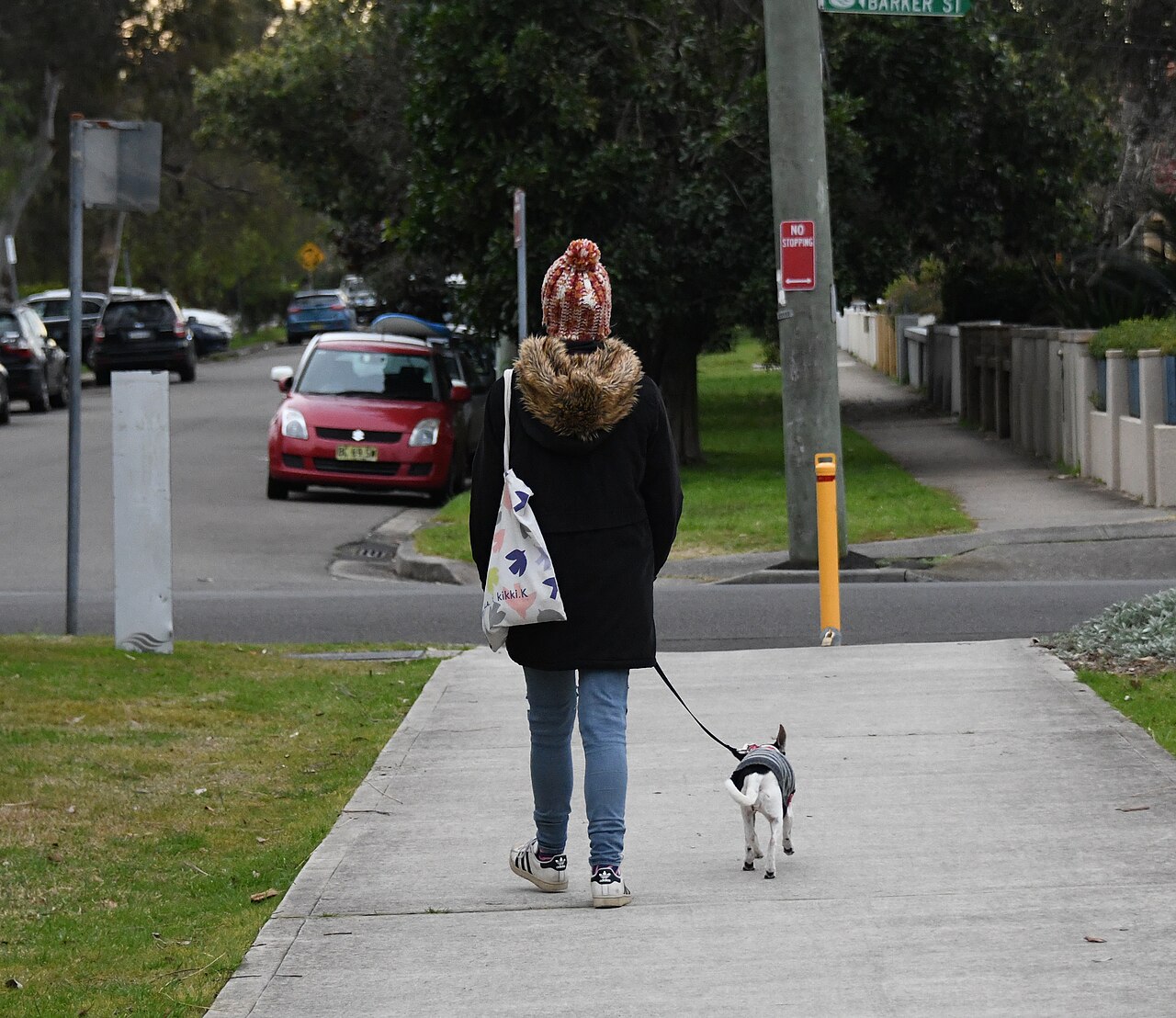
The aim is not a formal heel for the whole walk. A loose leash means the clip hangs in a slight J shape, the dog is free to sniff on cue, and nobody's shoulder hurts.
Equipment
A front-clip harness, where the leash attaches at the chest, turns the dog slightly toward you when it pulls and reduces the force on its neck. Check the fit: you should be able to slide two fingers under each strap, and the harness should not rub behind the front legs.
Use a standard leash of about 1.5 to 2 meters (5 to 6 feet). Retractable leashes teach dogs that pulling extends the leash, and the thin cord can injure hands and legs.
Choke chains, prong collars, and shock collars suppress pulling through discomfort or pain. Veterinary behavior organizations advise against them because they can cause injury, fear, and aggression, and because reward-based methods work.
A simple training plan
Start indoors or in a quiet yard. Have small, soft treats ready. Each time the dog is beside you with a loose leash, mark it with a word such as "yes" and give a treat at your leg. Reward often at first, every few steps, then gradually space the rewards out.
When the leash tightens, stop. Wait until the dog turns back or the leash slackens, then mark, reward, and walk on. Another option is to turn and walk the other way, rewarding the dog when it catches up. Consistency matters more than which method you choose: pulling should never move you forward.
Practice in short sessions of five to ten minutes, then add mild distractions. On real walks, give the dog a cue such as "go sniff" that releases it to explore on a loose leash, so it has a reason to come back to your side afterward. If you need to get somewhere fast before training is complete, use the front-clip harness and accept that this walk is not a training session.
Frequently Asked Questions
How long does it take to stop pulling?
Most dogs improve within a few weeks of daily practice, but a long-standing habit can take months to fade in busy places. Progress is faster if every walker in the household follows the same rule.
Are head halters a good option?
Head halters can help with strong dogs, but most dogs need a slow introduction with treats, and they should never be jerked. Use them with a light hand and a regular collar or harness as a backup.
My dog lunges at other dogs. Is that the same problem?
Not usually. Lunging and barking at triggers is often fear or frustration and needs a different plan, including distance from the trigger. A qualified trainer or behavior professional can help.
Should I let my dog sniff on walks?
Yes. Sniffing is mentally tiring and important for dogs. Use a release cue so sniffing becomes a reward for walking nicely rather than something the dog takes by pulling.
Sources
AKC - How to teach a puppy to walk on a leash
https://www.akc.org/expert-advice/training/teach-puppy-walk-leash/
Animal Humane Society - Teach your dog to walk on a loose leash
https://www.animalhumanesociety.org/resource/teach-your-dog-walk-loose-leash
AVSAB - Humane dog training position statement
https://caninewelfare.centers.purdue.edu/resource/humane-dog-training-position-statement/