Understanding Puppy Development: Milestones and Training Windows
Critical periods that shape your dog's adult behavior
Quick Answer
Puppies go through distinct developmental stages that shape their adult behavior and personality. The critical socialization period (3-14 weeks) determines how comfortable they'll be with new experiences. Early training is effective because puppies are learning constantly. Understanding these stages helps you provide appropriate experiences at the right times.
Neonatal Period (0-3 weeks)
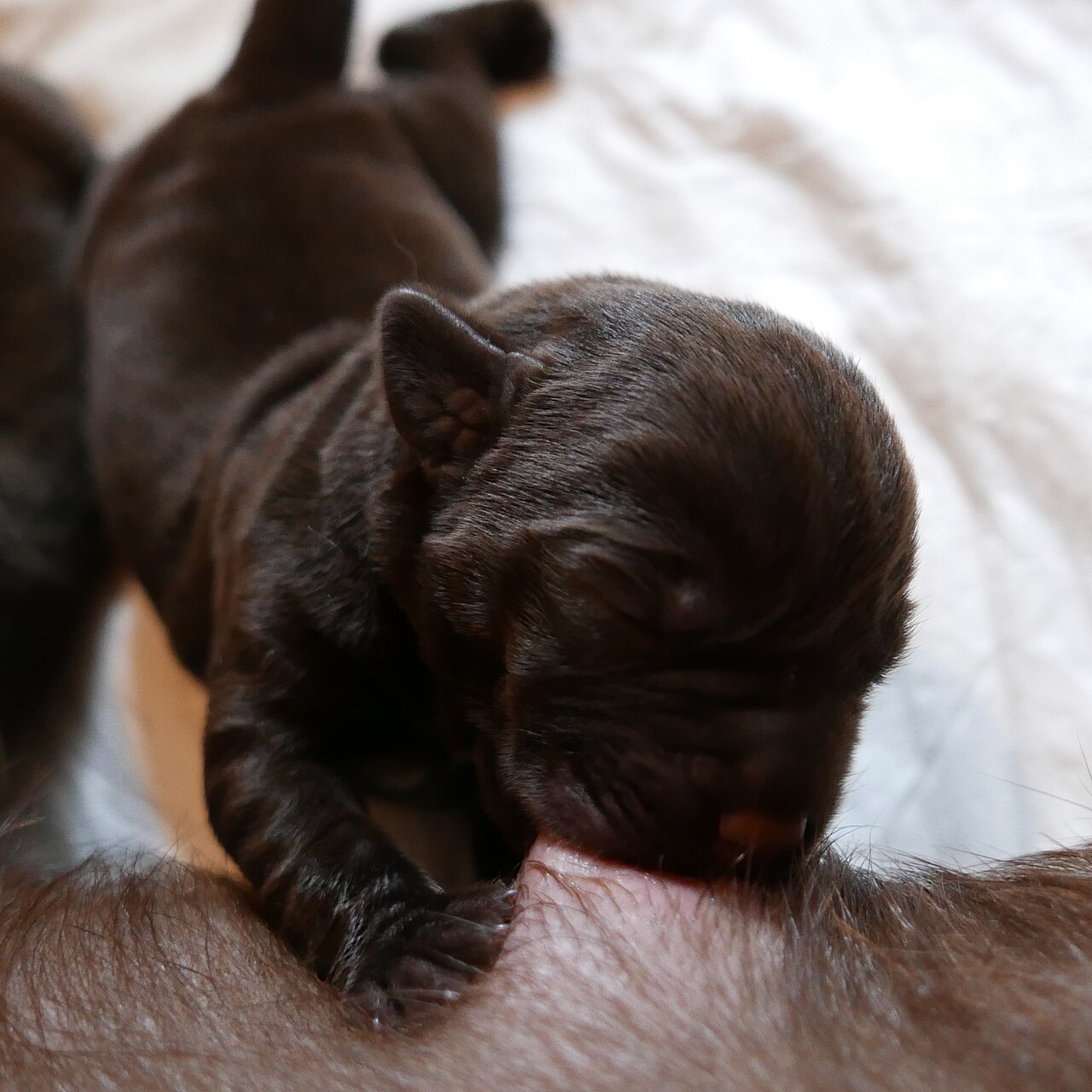
Newborn puppies are completely dependent on their mother. They spend most of their time sleeping and nursing. Their eyes and ears are closed, and they can't regulate their body temperature. During this period, puppies are learning to smell and recognize their littermates and mother. Minimal human handling is appropriate—let the mother bond with her puppies.
Early socialization actually begins now, but through the mother. Puppies learn from observing her reactions to things. If the mother is calm and confident, puppies inherit some of that calm. If she's anxious, puppies pick up on that anxiety.
By 3 weeks, puppies' eyes and ears open, and they become more aware of their surroundings. They start exploring their immediate environment and can regulate body temperature better. Very early introduction to gentle handling (for brief periods) is beneficial, but the priority is the mother-puppy bond.
Socialization Period (3-14 weeks) - CRITICAL WINDOW
This is the most critical period for puppies. During this window, puppies can learn that new things are safe. Exposing them to different people, animals, environments, sounds, and experiences during this time creates confident, well-adjusted adults. Puppies that miss this window often develop fear and anxiety.
What counts as socialization? Positive exposure to different people (various ages, appearances, ethnicities), other animals (dogs, cats, other species), environments (parks, city streets, vehicles, different floor surfaces), sounds (traffic, vacuum, doorbell), and novel experiences (grooming, handling, vet visits). Everything should be positive—never force a scared puppy into something scary.
Puppy socialization classes are valuable during this period. Well-run classes expose puppies to other puppies in a controlled, positive environment. However, be careful about disease exposure—ask if the class requires up-to-date vaccines. By 14 weeks, this critical window is closing. Some plasticity remains, but it's harder to build confidence in unfamiliar situations after this.
Juvenile Period (4 months - 2 years)
Once socialization windows close, puppies move into the juvenile period. Growth continues—puppies reach adult height by 6-12 months (depending on breed) but don't reach full maturity until 2+ years. During this period, puppies test boundaries and explore their independence. It's when they often become more selective and cautious about new things.
Training effectiveness peaks during the juvenile period. Puppies learn quickly and can handle more complex training. Basic obedience, house training, and behavior modification work well now. Consistency is critical—puppies are like teenagers testing boundaries. Clear rules and consistent consequences help them understand expectations.
Physical development varies by breed. Large breed puppies shouldn't do excessive jumping or long-distance running until growth plates close (around 18 months). This prevents joint injuries and developmental orthopedic disease. Small breeds mature faster—their growth plates close around 6-9 months.
Adolescence (6 months - 2 years)
Adolescence overlaps with the juvenile period but is characterized by increased independence and boundary testing. Puppies forget previously learned behaviors (normal, not defiance), test limits, and may show fear of things they weren't previously afraid of. This is normal adolescent development, not regression.
During adolescence, sexual behaviors may increase. Humping, mounting, and marking become common in intact dogs. Spaying or neutering can reduce some of these behaviors. The best timing depends on size, breed, and sex, and many veterinarians now recommend waiting longer for large breeds, so ask your vet.
Adolescent dogs need consistent training and clear boundaries. They're not puppies anymore but not fully mature. This period can be challenging as they're stronger and can get into more trouble, but they still have puppy-like energy and impulsivity. Maintaining training, exercise, and clear expectations helps them grow into well-behaved adults.
Frequently Asked Questions
Can I socialize my puppy before all vaccines are done?
Yes, but carefully. The socialization window (3-14 weeks) partially overlaps with vaccination timing. Veterinarians recommend controlled exposure to vaccinated dogs and people, plus socialization to non-dog things. Avoid high-risk areas (shelters, unknown dogs) but do expose your puppy to new experiences.
What if I miss the socialization window?
It's not impossible to socialize an older puppy or dog, but it's harder. The window closes around 14 weeks. After that, desensitization and counterconditioning can help fearful dogs, but it takes longer and may not be as effective. Prevention is always better.
When should I start training my puppy?
Immediately. Puppies can learn from 8 weeks old. Start with very basic things (sit, potty training, loose leash walking). Keep sessions short (5 minutes) and fun. Puppies have short attention spans, but they learn quickly with positive reinforcement.
When is my puppy considered an adult dog?
Most dogs reach physical maturity by 12-18 months, though large breeds mature slower. Behavioral maturity comes later—usually by 2-3 years. Some dogs remain mentally young longer, especially working breeds that maintain playful attitudes throughout life.
Sources
AVSAB - Puppy socialization position statement
https://caninewelfare.centers.purdue.edu/resource/avsab-puppy-socialization-position-statement
AVSAB - Position statements for pet owners
https://avsab.org/resources/position-statements/
AAHA - Canine vaccination guidelines
https://www.aaha.org/canine-vaccination
AKC - How to potty train a puppy
https://www.akc.org/expert-advice/training/how-to-potty-train-a-puppy/