Caring for a Senior Dog: Health, Comfort, and Changes to Watch For
When a dog becomes a senior, what changes with age, and how to keep an older dog comfortable
Quick Answer
Dogs are generally considered seniors in the last quarter of their expected lifespan, around 7 years for many breeds and earlier for giant breeds. Older dogs benefit from checkups every six months, gentle daily exercise, a lean body weight, and a home with good footing and easy access to beds and water. Slowing down is not always just age: limping, drinking more, weight change, confusion, and night waking often have treatable causes.
When does a dog become a senior?
Dogs age at different rates. Giant breeds may be seniors at 5 or 6, while many small dogs are not considered senior until 9 or 10. Veterinary guidelines often describe the senior stage as the last quarter of a dog's expected lifespan.
Many veterinarians recommend checkups every six months for senior dogs, often with bloodwork and urine tests. Kidney disease, diabetes, thyroid problems, liver disease, heart disease, and cancer are more common with age, and several of them are much easier to manage when caught early.
Keep notes between visits on appetite, water intake, weight, energy, sleep, toileting, and behavior. Small changes over weeks are easy to miss and are often what your veterinarian most needs to know.
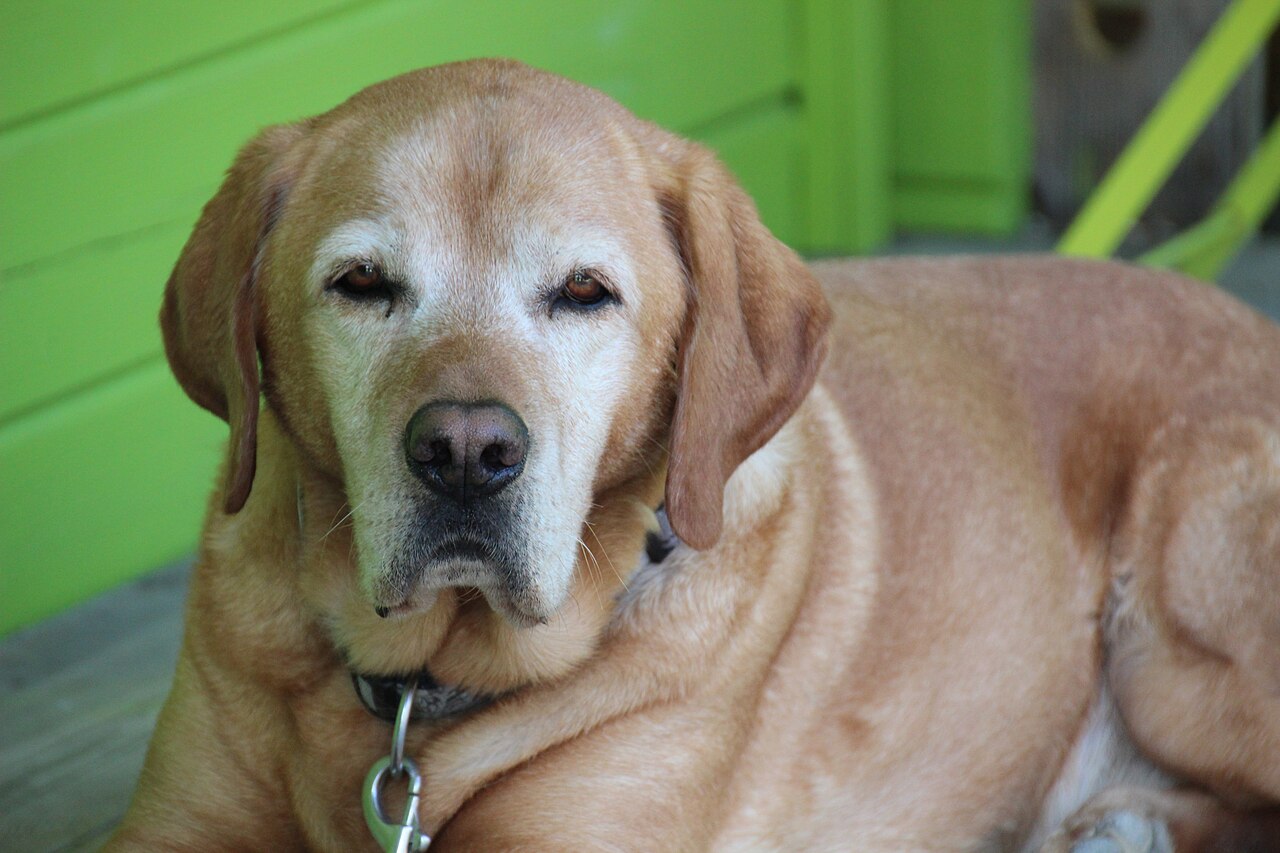
Changes to watch for
Arthritis is very common in older dogs and often looks like reluctance to jump, trouble on stairs, stiffness after rest, lagging on walks, or licking at joints. It is painful, and effective treatments exist, including dog-specific anti-inflammatory medications, other pain medications, weight loss, physical therapy, and joint supplements. Never give human pain relievers such as ibuprofen, naproxen, or acetaminophen; they can be toxic to dogs.
Canine cognitive dysfunction is similar to dementia in people. Signs include getting stuck in corners, staring, forgetting house training, changes in sleep with restlessness at night, less interest in people, and anxiety. Diet, enrichment, and medication can slow it, so mention any of these signs to your veterinarian.
Also watch for increased thirst and urination, weight loss despite a normal appetite, new lumps, coughing, faster breathing at rest, bad breath, and changes in vision or hearing. None of these should be dismissed as just old age without a check.
Keeping an older dog comfortable
Keep exercise going but make it gentler: several shorter walks instead of one long one, swimming where it is safe, and sniffing games. Regular movement keeps muscles strong and joints moving. Keep the dog lean, since extra weight puts more strain on painful joints.
Make the home easier. Add rugs or runners on slippery floors, use ramps or steps for cars and furniture, and provide a supportive orthopedic bed in a warm, draft-free spot. Put water in more than one place, and consider raising bowls if bending down is uncomfortable.
Some senior dogs need a diet change for weight control or for medical problems such as kidney disease, but only switch to a special diet on your veterinarian's advice. Keep training and play in the routine; older dogs still enjoy learning, and mental activity helps keep the brain healthy.
Frequently Asked Questions
How do I know if my old dog is in pain?
Dogs rarely cry out with chronic pain. Look for restlessness, panting at rest, reluctance to move, changes in posture, irritability when touched, and loss of interest in walks or play. Ask your veterinarian for a pain assessment.
Should I switch to senior dog food?
There is no single standard for senior foods, and they vary a lot. Many older dogs do fine on their current adult food. Ask your veterinarian whether a change makes sense for your dog's weight and health.
Why is my senior dog up at night?
Night restlessness can come from pain, needing to urinate more often, cognitive dysfunction, anxiety, or vision loss. A veterinary check can identify the cause, and there are treatments for most of them.
How do I know when it's time to say goodbye?
Quality of life scales can help you track good days and bad days, appetite, mobility, and pain. Your veterinarian can talk through the options with you honestly. Many owners find it helps to plan before a crisis.
Sources
AAHA - Senior care guidelines for dogs and cats
https://www.aaha.org/senior-care
ASPCA - Behavior problems in older dogs
https://www.aspca.org/pet-care/dog-care/common-dog-behavior-issues/behavior-problems-older-dogs
ASPCA Animal Poison Control Center (including human medications)
https://www.aspca.org/pet-care/animal-poison-control